
Earlier this week, I had the opportunity to present the digital HC card solution developed by our company at Identity Day Norway, hosted at DNB.
The solution — Mobilitypass — was designed to replace physical parking permits for people with reduced mobility, using secure authentication and existing public infrastructure.
What made the experience particularly interesting was not just the presentation itself, but the context around it.
The platform was built in under six months, fully integrated with the Norwegian Public Roads Administration’s central HC registry through open APIs. Authentication is handled via BankID, and the system enables both users and parking operators to manage and verify permits digitally.
Ready in practice — blocked in reality
Not due to technology, but due to lack of regulatory clarification and coordination. Dialogue with the Ministry of Transport was required to proceed, and without that, municipalities were unable to adopt the solution.
This reflects a broader pattern.
Public digital infrastructure can exist — even be well built — but still remain underutilized if governance, communication and decision-making do not align.
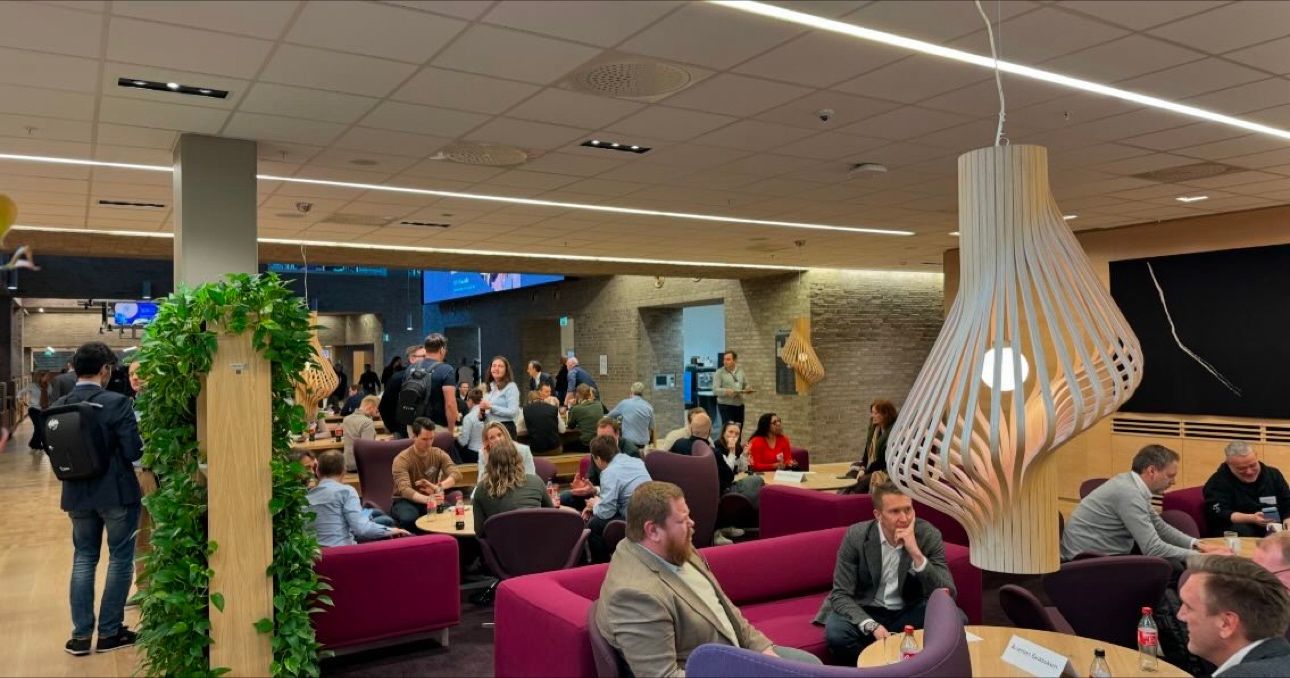
At the same time, it was encouraging to see the level of engagement at Identity Day. Discussions around identity, control and trust are clearly becoming more central — not just in theory, but in practical implementations.
The experience reinforced something important:
Digital transformation is rarely limited by technology.
More often, it is limited by coordination, decision-making — and bureaucracy.
This is not a new challenge. The need for solutions like this has been raised repeatedly over the years, yet progress is often slowed by directives, regulatory processes and limited coordination across public and private stakeholders.
In this case, the service itself was built as a free offering, based on existing public APIs — with the intention of extending already established infrastructure, not replacing it.
The barrier was not capability. It was alignment.
Related coverage: